
5 Essential Benefits of Autism Training for Therapists You Can’t Ignore
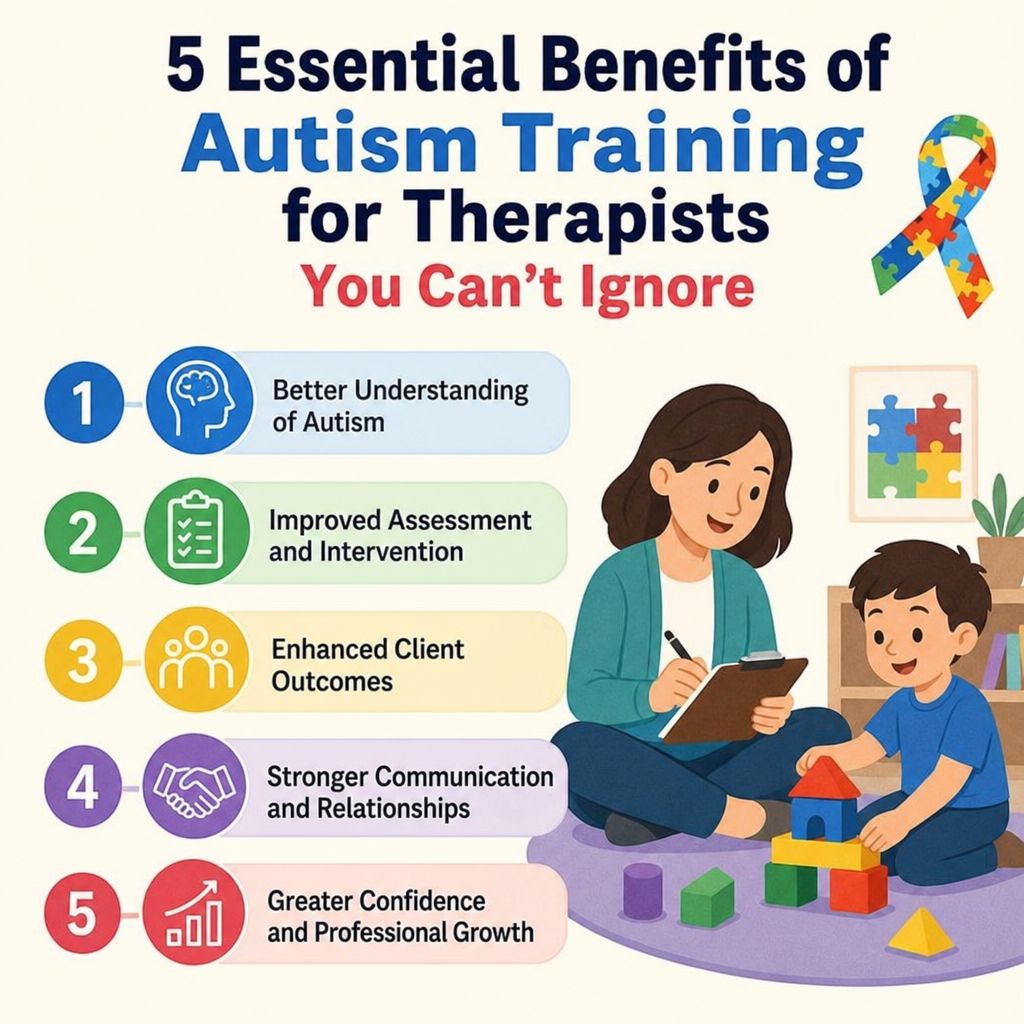
Autism training for therapists is more than just a professional requirement. It’s a gateway to understanding and supporting individuals with autism. This training equips therapists with essential skills and knowledge. It enhances their ability to provide effective care.
Therapists who undergo autism training gain insights into the complexities of autism spectrum disorders. They learn the latest research and techniques. This knowledge is crucial for improving client outcomes.
The benefits of autism training extend beyond individual therapy sessions. It fosters professional growth and development. Therapists become more adept at handling diverse challenges.
Moreover, autism training encourages collaboration among professionals. It promotes a multidisciplinary approach to care. This ensures comprehensive support for clients.
In this article, we explore five essential benefits of autism training for therapists. These benefits are transformative and impactful. They are too important to ignore.
Importance of Autism Training for Therapists
Autism training is pivotal for therapists working with individuals on the autism spectrum. It provides vital tools for understanding autism’s multifaceted nature. This understanding is key to offering personalized and effective therapy.
Therapists benefit from training that covers a wide array of areas. These include communication strategies, behavioral interventions, and sensory processing insights. Such comprehensive training arms therapists with a variety of approaches to cater to unique client needs.
Key elements of autism training for therapists include:
- Enhancing communication skills
- Understanding sensory needs
- Tailoring interventions for individual clients
By acquiring these skills, therapists can significantly improve their clients’ lives. They build better rapport and create supportive environments. As a result, clients feel empowered, and therapists see more successful outcomes.
Overview of Key Benefits
Autism training offers numerous benefits for therapists. It strengthens their skills while broadening their understanding of autism spectrum disorders. This, in turn, leads to more effective therapy.
Key benefits of autism training for therapists include:
- Improved assessment techniques
- Enhanced ability to create individualized plans
- Better understanding of clients’ unique needs
By engaging in autism training, therapists grow their skill sets. They can apply the latest research and methodologies to their practice. This makes them more adept in addressing the complexities of autism, ultimately leading to better client care and improved therapeutic outcomes.
Enhanced Professional Development in Autism Therapy
Autism training significantly boosts professional development for therapists. Engaging with updated research keeps therapists at the forefront of the field.
Staying informed about emerging practices empowers therapists to provide higher-quality care. They can adapt swiftly to their clients’ evolving needs, resulting in more impactful outcomes.
Continuous Growth for Therapists
Continuous growth is vital for therapists in autism therapy. Ongoing training ensures they remain effective in their roles.
Key aspects of continuous growth include:
- Staying current with new research
- Learning from experienced professionals
- Regularly updating therapy techniques
Therapists who commit to lifelong learning gain a deeper understanding of autism. This commitment not only enhances their expertise but also increases their ability to innovate in therapy approaches, benefiting their clients significantly.
Skills Acquisition and Application
Acquiring new skills is essential for therapists working with autism. Training programs offer practical tools and techniques for diverse therapy situations.
Highlighted skills acquisition methods include:
- Participating in workshops and seminars
- Attending specialized courses
- Engaging in hands-on training
Through these methods, therapists develop a comprehensive skill set tailored to autism therapy. Applying these skills allows therapists to create personalized and effective intervention plans, resulting in improved patient progress and satisfaction in their practice.
Improved Assessment Skills
Enhancing assessment skills is a critical component of autism training. Accurate assessment leads to more effective treatment plans.
Training equips therapists with the tools to evaluate clients thoroughly. This deeper understanding aids in identifying specific challenges. Improved assessment fosters better tailored interventions, enabling more successful outcomes in therapy sessions.
Autism Assessment Training for Therapists
Autism assessment training provides therapists with the expertise to evaluate autism spectrum disorders accurately. This specialized training covers a broad range of assessment techniques.
Key elements of assessment training include:
- Comprehensive diagnostic evaluations
- Utilization of standardized testing tools
- Techniques for observing behavior
These elements are crucial for developing effective intervention strategies. With precise assessments, therapists can identify each client’s unique needs and conditions, setting the foundation for personalized therapy plans that drive progress.
Recognizing and Addressing Individual Needs
Recognizing individual needs is a pivotal skill gained through autism training. Every client presents a distinct set of challenges and strengths.
Strategies for addressing individual needs include:
- Conducting personalized assessments
- Creating customized therapy goals
- Adapting interventions based on progress
By honing these strategies, therapists can better support their clients’ specific needs. This tailored approach empowers clients to reach their full potential, fostering an environment where personalized therapy plans lead to meaningful growth and improved quality of life.
Targeted Training for Diverse Specialties
Autism training offers specialized modules for various therapy disciplines. This targeted approach enhances therapists’ effectiveness.
For occupational and speech therapists, as well as clinicians in other fields, customized training improves client outcomes. It refines existing skills and introduces new techniques to better serve individuals on the autism spectrum.
Autism Training for Occupational Therapists
For occupational therapists, autism training focuses on motor skills and activities of daily living. Training provides valuable techniques to help clients overcome everyday challenges.
Key areas of focus include:
- Fine and gross motor skills development
- Sensory integration strategies
- Daily living skills enhancement
These targeted training areas enable occupational therapists to promote greater independence in their clients. By mastering these skills, therapists support clients in achieving significant milestones in their daily lives.
Autism Training for Speech Therapists
Speech therapists benefit from autism training focused on communication hurdles. This specialized training emphasizes understanding and tackling unique language challenges.
Important areas covered include:
- Augmentative and alternative communication methods
- Language development strategies
- Strategies for improving social communication
Speech therapists armed with these tools can significantly enhance their clients’ communication abilities. This targeted training leads to improved interaction and greater engagement in social and educational settings.
Behavioral Skills Training for Therapist Autism
Behavioral skills training sharpens therapists’ intervention strategies for managing behaviors associated with autism. It focuses on promoting positive behaviors while minimizing challenges.
Crucial elements include:
- Understanding behavior triggers
- Implementing behavior modification techniques
- Developing positive reinforcement strategies
These components equip therapists to manage complex behaviors effectively. By applying these skills in their practice, therapists can help clients achieve better behavioral outcomes and enhance their quality of life.
Access to Resources and Networking Opportunities
Autism training provides valuable resources for therapists. These resources help professionals stay informed and effective.
Networking opportunities within the autism therapy community are equally valuable. They encourage collaboration and knowledge sharing among therapists and specialists.
Free Autism Training for Therapists
Access to free autism training is readily available, thanks to numerous online platforms. These resources provide essential skills without added financial strain.
Benefits of free training include:
- Up-to-date research and methodologies
- Flexible learning schedules
- Cost-effective access to professional development
Free training resources ensure all therapists, regardless of budget, can continue their education. This empowers them to provide the best possible care to their clients.
Also Read: Autism Certification Programs
Engaging with a Community of Professionals
Participating in a community of autism therapy professionals offers numerous benefits. It fosters an environment of support and collaboration.
Community engagement features include:
- Exchange of best practices
- Opportunities for mentorship
- Access to case studies and peer insights
Being part of a professional network enhances learning and growth. It allows therapists to gain diverse perspectives and contribute to collective knowledge, enriching their practice and client outcomes.
Conclusion
Autism training equips therapists with essential skills to support clients better. It fosters professional growth and improves client outcomes, making it indispensable in therapy practices.
Summary of Key Points
Investing in autism training offers numerous benefits for therapists. Key highlights include:
- Enhanced assessment and intervention skills
- Access to valuable resources and community support
- Tailored training for diverse therapeutic specialties
These aspects collectively enhance therapeutic effectiveness and client satisfaction.
Encouragement to Pursue Autism Training
Pursuing autism training is a significant step toward improving client care. Therapists gain invaluable insights and techniques that enhance their practice. By engaging in continuous learning, therapists can transform their approach, making a meaningful difference in the lives of those they support.